
Mother’s Day has always felt a little awkward to me. Am I a daughter, a mother, or something in between?
When I was younger, I sent the obligatory card or made the phone call to my mother, but the day itself always felt loaded with expectations I didn’t quite connect to. I loved my mother, but our relationship was complicated in ways I didn’t fully understand until I became a mother myself.
My mother has been gone many years now. She barely knew my daughter before she died. My daughter was only two and a half. She never met my son at all. I never really got to experience my mother as a grandmother, which feels strange now that I’m older. There was an unfinishedness to it.
My mother was beautiful. Alarmingly beautiful. She had been a model when she was younger, and that hovered over my consciousness for most of my life. I absorbed the idea that beauty was power, approval, currency. I thought maybe I was supposed to perform femininity the way she did — using charm, drawing attention, becoming whatever was wanted in the room. Looking back at my twenties now, I can see traces of that in myself.
But she also taught me things I’m grateful for.
She modeled resilience. Creative problem solving. Goofiness. She celebrated weirdness before that was something people openly valued. She could be impulsive and dramatic in ways that were both loving and slightly insane. Family lore says she once almost jumped off the Staten Island Ferry to retrieve my favorite blankie that had blown overboard. That was my mother. Fierce love mixed with complete irrationality.
She also put herself first sometimes in ways that confused me as a child. Plans revolved around what she wanted to do. Her moods could shape entire weekends. It took me a long time to understand that parents are just people with unmet needs, exhaustion, disappointments, and limitations they drag behind them.
I ended up raising my own children mostly alone too. Their father worked constantly, and after our divorce, when the kids were still young, most of the day-to-day parenting fell to me. I do feel grateful for how hard he worked, just as I feel grateful for my own father, who also worked constantly but somehow remained emotionally reachable and present in a way that mattered deeply to me.
I have a partner now who has stood beside me for nineteen years and backed me up with my kids, but motherhood for me has still mostly felt like endurance.
Not martyrdom. Just endurance.
Showing up every day. Adjusting constantly. Carrying the mental load. Continuing through exhaustion, worry, school meetings, therapies, schedules, loneliness, laughter, groceries, sickness, dishes, rides, late nights, and all the invisible threads that hold a family together.
My kids are neurodivergent, so when they were younger they often forgot birthdays and Mother’s Day entirely. Oddly, I adapted to that pretty easily. Maybe because I had already distanced myself emotionally from the expectations attached to days like this. Maybe because I understood that love and memory are not always tied neatly together.
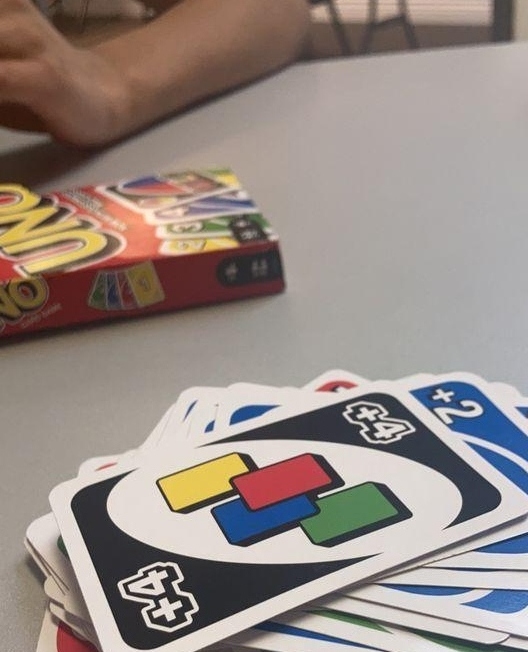
Now they’re adults — twenty-five and twenty-nine — and they surprise me sometimes by remembering. A card. Lunch. A small thoughtful gesture. A board game together. And honestly, that’s enough for me.
More than enough.
The older I get, the smaller the meanings attached to dates like this become. Or maybe not smaller exactly. Quieter.
I appreciate people wishing me Happy Mother’s Day, even though the attention still makes me a little uncomfortable. I don’t long for that kind of recognition. The older I get, the more I value simple things and quiet moments.
I think after a certain point in life, especially after years of caregiving, what you want most is smallness. Simplicity. Presence.
A sandwich at lunch.
A card.
A board game at the kitchen table.
Your children remembering you.
I don’t want a big life anymore.


Leave a comment